Cessna Nose Gear Strut Assembly: Replacement Nose Landing Gear Component
Cessna Nose Gear Strut Assembly: Replacement Nose Landing Gear Component
Blog Article
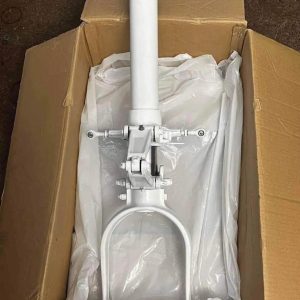
The Cessna Nose Gear Strut Assembly should be selected only after confirming the aircraft model, serial-number range, mounting arrangement, dimensions, included hardware, inspection history, and technical documentation.
The Cessna Nose Strut may provide shock absorption and structural support, but actual functions depend on the complete assembly and aircraft configuration.
The Aircraft Nose Gear Strut must maintain suitable alignment, movement, sealing, structural integrity, and connection with surrounding components.
A Cessna Nose Wheel Strut must maintain appropriate geometry and movement for predictable ground handling.
Accurate product information supports responsible purchasing and reduces installation delays.
Why Exact Landing Gear Identification Matters
The seller should provide clear photographs of the cylinder, piston, fork, steering features, mounting points, torque links, hardware, and identification markings.
Informal descriptions such as complete or ready to install should be supported by an exact inventory.
How the Nose Gear Supports the Airframe
During taxiing, braking, turning, landing rollout, towing, and movement across surface irregularities, the assembly can experience vertical, lateral, and torsional forces.
Any evidence of previous impact should be disclosed and investigated.
Shock Absorption and Strut Compression
A shock strut is designed to compress and extend in a controlled manner as the aircraft encounters landing and ground loads.
Servicing values should come from applicable maintenance information rather than estimates based on another Cessna model.
Evaluating Ground Steering Geometry
Correct geometry supports more consistent taxi and landing-roll control.
The buyer should inspect torque links, attachment bolts, bushings, bearings, and pivot points for looseness or wear.
Selecting the Correct Replacement Nose Gear
The phrase Cessna Nose Gear Strut Assembly should not be interpreted as compatibility with every Cessna aircraft.
The complete receiving-aircraft configuration should be reviewed before purchase.
Evaluating the Cessna Nose Strut Body
A polished surface may still contain dimensional wear that requires measurement.
Qualified inspection protects the long-term value of the Cessna Landing Gear Strut.
Understanding Strut Seal Maintenance
Accurate leak evaluation supports dependable Cessna Nose Landing Gear Strut operation.
Any internal maintenance should be documented with parts and procedures used.
Evaluating Coastal and Outdoor Storage Damage
Landing gear components are exposed to water, runway contaminants, cleaning products, salt, dirt, chemicals, and changing environmental conditions.
Fresh paint may improve appearance while concealing corrosion, filler, weld repairs, or damaged surfaces.
Evaluating a Used Cessna Nose Gear
Professional evaluation is appropriate when impact history is known or uncertain.
Transparent impact history supports informed Cessna Front Landing Gear Assembly purchasing.
Understanding Included Landing Gear Components
The wheel fork should be inspected for cracks, bending, corrosion, damaged mounting points, distorted axle bores, and signs of side loading.
Tire condition can influence shimmy, ground handling, and visible strut behavior.
Maintaining Strut Alignment
Dimensional inspection supports a durable repair.
Recurring shimmy should prompt inspection of the entire nose gear, wheel, tire, steering, balance, and attachment system.
Evaluating Wheel Alignment and Steering Play
Accurate diagnosis reduces unnecessary parts replacement.
Uneven tire wear can indicate alignment concerns, fork distortion, bearing issues, incorrect pressure, steering problems, or repeated side loading.
Servicing the Cessna Shock Strut
Values from another Cessna model should not be applied without verification.
Pressurized components require suitable precautions because uncontrolled release can cause injury or damage.
Rebuilding a Cessna Nose Gear Strut
The exact scope should be defined in the work records rather than assumed from the word overhauled.
Complete records strengthen the commercial value of the Cessna Replacement Nose Gear.
Pre-Purchase Inspection Checklist
The buyer should obtain enough information for a qualified aviation maintenance professional to evaluate the assembly.
- Compare the assembly with the receiving aircraft’s illustrated parts information, mounting points, steering system, wheel fork, axle, tire, torque links, and approved hardware.
- Do not treat clean paint, smooth movement, or a removed-serviceable statement as proof of current installation eligibility.
- Report shipping damage, missing components, identification differences, undisclosed repairs, corrosion, leakage, or dimensional concerns promptly.
Preventing Damage to the Piston and Fork
The assembly should be secured in a rigid crate or suitable container that supports its weight without loading the piston, fork, fittings, steering components, or delicate surfaces.
The component should remain immobilized so it cannot roll, slide, or strike the container during transportation.
Preparing a Stored Assembly for Service
Responsible storage preserves the future usefulness of the Cessna Nose Strut.
Organized storage supports the commercial value of General Aviation Landing Gear Parts.
Connecting Steering and Structural Components
Surrounding structure should be inspected for cracks, corrosion, deformation, worn holes, and previous repair before installing the replacement assembly.
Disciplined workmanship supports reliable Cessna Front Landing Gear Assembly operation.
Taxi checks should begin conservatively and should monitor shimmy, pulling, vibration, check here abnormal noise, leakage, and steering behavior.
Protecting Long-Term Ground Handling Reliability
Routine maintenance should include inspection of the piston, cylinder, seals, fluid leakage, extension, fork, axle, wheel, tire, bearings, torque links, steering parts, fasteners, and mounting structure.
The nose gear should receive additional inspection after a hard landing, runway excursion, towing incident, tire failure, severe shimmy, obstacle strike, or abnormal ground handling event.
Commercial Value of a Cessna Nose Gear Assembly
Honest product information strengthens buyer confidence and reduces disputes.
Availability of technical information, replacement parts, and qualified maintenance support can influence long-term value.
Buying a Replacement Cessna Front Gear Assembly
When thoroughly evaluated and correctly installed, the Cessna Nose Gear Strut Assembly can become a valuable component within the aircraft’s complete landing-gear system.
The strongest purchasing decision begins with confirming the exact Cessna part number, dash number, aircraft model, serial-range applicability, strut configuration, dimensions, mounting points, steering system, fork, axle, bushings, seals, corrosion status, repair history, and documentation.
Whether the product is described as a Cessna Nose Gear Shock Absorber, Cessna Landing Gear Assembly, Aircraft Landing Gear Strut, or Cessna Nose Wheel Strut, aircraft-specific compatibility remains essential.
With transparent records, protected shipping, correct steering and mounting compatibility, careful alignment, and appropriate maintenance, the Cessna nose gear can support a professional repair project.
Report this page